Mikhail gorbachev death cause
Mikhail Sergeyevich Gorbachev [f] [g] (2 March 1931 – 30 August 2022) was a Soviet and Russian politician and statesman who served as the last leader of the Soviet Union from 1985 to the country's dissolution in 1991.
Was gorbachev a good leader
Mikhail Gorbachev was the first president of the Soviet Union, serving from 1990 to 1991. He was awarded the Nobel Prize for Peace for his leadership role in ending the Cold War and promoting. 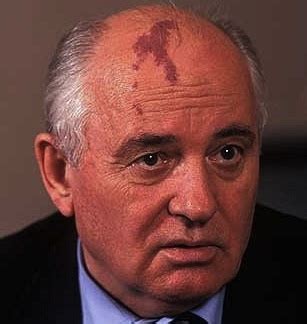
Who is gorbachev's daughter
In March 1985 the Soviet Communist Party elected him general secretary of the party and leader of the Soviet Union. He resigned in 1991 shortly after the fall of communism. Mikhail Sergeevich Gorbachev was born into a peasant family in the village of Privolnoe, near Stavropol, Soviet Union, on March 2, 1931. Mikhail gorbachev previous offices
The Nobel Peace Prize 1990 was awarded to Mikhail Sergeyevich Gorbachev "for the leading role he played in the radical changes in East-West relations".
Gorbachev birthmark
During the period of 1992 – 2008 M.S. Gorbachev made 266 visits abroad and visited 50 countries. He was conferred more than 300 awards, diplomas, certificates of honor, and honorable distinctions. Since 1992 Gorbachev published several dozen books in 10 languages of the world. Mikhail Gorbachev (born March 2, 1931, Privolnoye, Stavropol kray, Russia, U.S.S.R.—died Aug, Moscow, Russia) was a Soviet official. Mikhail Sergeyevich Gorbachev [f] [g] (2 March 1931 – 30 August 2022) was a Soviet and Russian politician and statesman who served as the last leader of the Soviet Union from 1985 to the country's dissolution in 1991.
Mikhail Sergeyevich Gorbachev (2 March 1931 – 30 August 2022) was a Soviet and Russian politician and statesman who served as the last leader of the Soviet. Mikhail Gorbachev (born March 2, 1931, Privolnoye, Stavropol kray, Russia, U.S.S.R.—died Aug, Moscow, Russia) was a Soviet official, general secretary of the Communist Party of the Soviet Union (CPSU) from 1985 to 1991 and president of the Soviet Union in 1990–91.
Mikhail Gorbachev was the first president of the Soviet Union, serving from 1990 to 1991. Mikhail Gorbachev was the first president of the Soviet Union, serving from 1990 to 1991. He was awarded the Nobel Prize for Peace for his leadership role in ending the Cold War and promoting.
When was gorbachev in power
Mikhail Gorbachev was general secretary of the Soviet Union Communist Party from 1985–1991. He was also the first democratically elected President in 1990. Mikhail Gorbachev played a key role in dismantling the Communist grip on power in both the Soviet Union and Eastern Europe. Mikhail Gorbachev – Biographical - In March 1985 the Soviet Communist Party elected him general secretary of the party and leader of the Soviet Union. He resigned in 1991 shortly after the fall of communism. Mikhail Sergeevich Gorbachev was born into a peasant family in the village of Privolnoe, near Stavropol, Soviet Union, on March 2, 1931.Boris Yeltsin The Nobel Peace Prize 1990 was awarded to Mikhail Sergeyevich Gorbachev "for the leading role he played in the radical changes in East-West relations".biography of gorbachev1 During the period of 1992 – 2008 M.S. Gorbachev made 266 visits abroad and visited 50 countries. He was conferred more than 300 awards, diplomas, certificates of honor, and honorable distinctions. Since 1992 Gorbachev published several dozen books in 10 languages of the world. What did mikhail gorbachev do
Mikhail Sergeyevich Gorbachev [f] [g] (2 March – 30 August ) was a Russian politician and statesman who served as the last leader of the Soviet Union from to the country's dissolution in What did gorbachev say of his wife
Mikhail Gorbachev was the first president of the Soviet Union, serving from to He was awarded the Nobel Prize for Peace for his leadership role in ending the Cold War and promoting.